
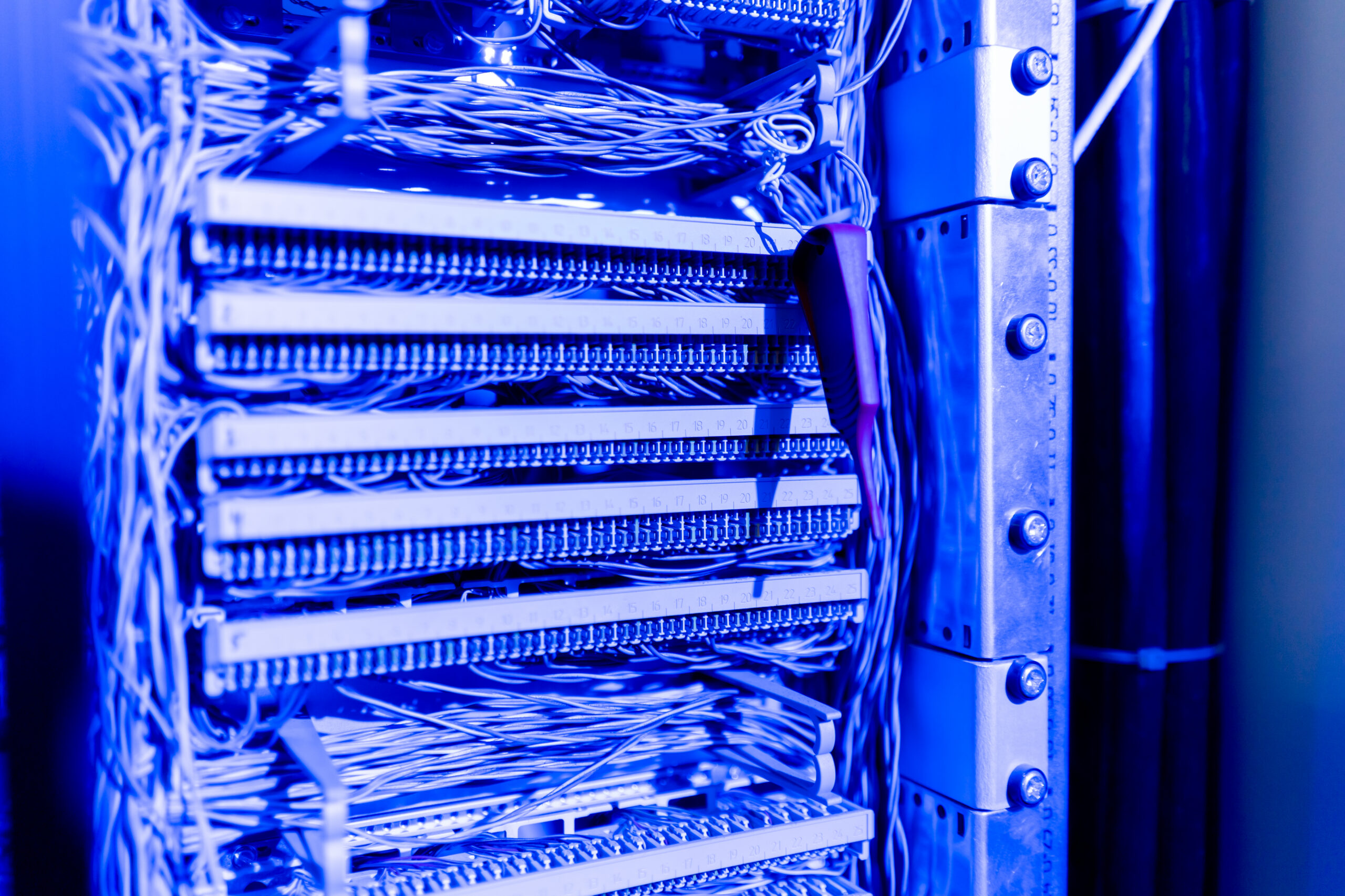
Reliable connectivity is critical for today’s businesses, and structured cabling for modern offices plays a major role in keeping networks stable, fast, and scalable. While many organizations focus on internet speed or wireless access points, the physical cabling infrastructure behind the scenes often determines how well the entire network performs.
Structured cabling is the organized system of cables, patch panels, and hardware that connects computers, servers, phones, and other network devices. When installed properly, it creates a reliable foundation that supports business communication, cloud applications, and future technology upgrades.
Teleworks provides professional, structured cabling installation throughout Connecticut, helping businesses design network infrastructure that supports long-term growth and productivity.
Without a properly designed cabling system, businesses may experience slow network speeds, connectivity issues, and costly disruptions when adding new devices or expanding operations.
What Is Structured Cabling?
Structured cabling is a standardized approach to designing and installing network cables within a building. Instead of running cables randomly between devices, structured cabling uses a planned layout that connects all equipment through a centralized infrastructure.
A structured system typically includes:
- Ethernet cables such as Cat6 or Cat6a
- Patch panels and network switches
- Equipment racks and cable management systems
- Wall outlets and connection points
- Backbone cabling connecting different office areas
This organized approach makes networks easier to manage, troubleshoot, and expand as technology evolves.
Businesses that implement structured cabling also benefit from improved compatibility with modern network infrastructure and communication platforms.
Why Structured Cabling Matters for Business Networks
Modern offices rely on dozens or even hundreds of connected devices. Without a proper cabling infrastructure, these systems may struggle to operate efficiently.
A professionally designed structured cabling system provides several benefits.
Improved Network Performance
High-quality cabling ensures consistent data transmission between devices. This improves network speed and reduces latency when employees access cloud applications, shared files, or collaboration tools.
Better Reliability
Unorganized or outdated wiring can create weak points in a network. Structured cabling reduces connection issues and helps businesses maintain stable connectivity throughout the office.
Simplified Troubleshooting
When cables are labeled and organized, IT teams can quickly identify and resolve issues. This reduces downtime and helps businesses maintain productivity.
Future Scalability
As companies grow, they often add new devices, workstations, or technology systems. Structured cabling enables organizations to expand their network infrastructure without replacing existing wiring.
How Structured Cabling Supports Modern Office Technology
Businesses today rely on a wide range of digital tools and connected systems. A reliable cabling infrastructure ensures these technologies operate smoothly.
Some of the most common systems supported by structured cabling include:
- Business computers and workstations
- Wireless access points
- VoIP phone systems
- Security cameras and access control
- Network printers and shared devices
- Smart office technologies
Teleworks helps businesses integrate these systems with professional business phone systems and reliable network infrastructure.
Common Problems with Poor Cabling Infrastructure
Many businesses operate in buildings with outdated or poorly installed cabling systems. These environments often experience recurring network issues.
Some common problems include:
Network Slowdowns
Old cables may not support modern data speeds. This can cause slow file transfers, delayed software performance, and poor internet connectivity.
Cable Clutter
Messy wiring creates confusion during troubleshooting or when adding new equipment.
Limited Expansion
Without structured cabling, adding new workstations or devices can require extensive rewiring.
Increased Downtime
Improper cabling installations can cause frequent disconnections and network instability.
A professional cabling upgrade can eliminate many of these issues and improve overall network reliability.
The Role of Structured Cabling in VoIP Communication
VoIP phone systems depend on stable network connections to maintain call quality. Poor cabling infrastructure can result in dropped calls, audio delays, or connection interruptions.
Teleworks installs business phone systems that rely on high-performance network infrastructure to deliver clear and reliable communication.
When paired with structured cabling, VoIP systems provide businesses with flexible and cost-effective communication solutions.
Structured Cabling and Business Internet Performance
Internet connectivity is another area where structured cabling plays a major role. Even if a business has fast internet service, poor cabling infrastructure can prevent employees from experiencing those speeds.
Teleworks offers business internet services designed to support modern workplaces with high bandwidth requirements.
Combining reliable internet with properly installed cabling ensures consistent performance across all connected devices.
For additional guidance on technology infrastructure, businesses can explore the Small Business Administration’s technology planning resources:
https://www.sba.gov/business-guide/manage-your-business/technology-and-security
Signs Your Office May Need Structured Cabling Upgrades
Many businesses are unaware that their network issues stem from outdated wiring. Some common warning signs include:
- Frequent network outages
- Slow internet speeds despite high-speed service
- Difficulty connecting new devices
- Tangled or poorly organized cables
- Limited network capacity
If employees frequently experience connectivity problems, it may be time to evaluate the building’s cabling infrastructure.
How Teleworks Designs Structured Cabling Systems
Teleworks works closely with businesses to design cabling systems that support current and future technology needs.
Their process includes:
- Evaluating the office layout and connectivity requirements
- Planning cable pathways and equipment placement
- Installing high-performance cabling infrastructure
- Testing network connections for reliability and speed
- Preparing the network for future expansion
This approach ensures businesses receive a dependable infrastructure that supports long-term productivity.
Teleworks also integrates cabling systems with network infrastructure solutions to create complete connectivity environments.
Frequently Asked Questions
What is structured cabling?
Structured cabling is an organized system of cables and hardware used to connect computers, phones, and other network devices within a building.
Why is structured cabling important for businesses?
It provides reliable connectivity, improves network performance, and makes it easier to manage and expand technology systems.
What types of cables are used in structured cabling?
Most modern installations use Cat6 or Cat6a Ethernet cables that support high-speed data transmission.
How long does structured cabling last?
A professionally installed system can support business technology for 10–15 years or longer, depending on upgrades and usage.
Can structured cabling support wireless networks?
Yes. Wireless access points rely on wired infrastructure to connect to the network and deliver WiFi coverage throughout an office.
Upgrade Your Network Infrastructure with Teleworks
Reliable network infrastructure begins with the right foundation. Installing structured cabling for modern offices ensures your business can support today’s technology while preparing for future growth.
Teleworks provides professional cabling installation, network design, and connectivity solutions for businesses throughout Connecticut.
👉 Contact Teleworks today to learn how structured cabling can improve your office connectivity.