If your Connecticut business is still running on legacy phone lines, older alarm systems, fax machines, or equipment that depends on aging carrier infrastructure, you may already be on borrowed time. AT&T and Verizon have been aggressively decommissioning their legacy copper and 3G networks across the country — and the window to act before it affects your business is closing faster than most people realize.
Teleworks has been helping Connecticut businesses navigate these transitions for decades. Here’s what’s happening, what it means for your specific equipment, and what you need to do before service stops working.
What’s Actually Being Shut Down
This isn’t one single event — it’s a series of overlapping network retirements happening simultaneously across the country’s largest carriers.
AT&T has been actively retiring its legacy copper landline infrastructure. It has made clear that traditional POTS lines — Plain Old Telephone Service — are being phased out in favor of IP-based alternatives.¹ Verizon has been doing the same, filing with state regulators across the country to discontinue copper line obligations in area after area.²
The practical result for Connecticut businesses is straightforward: equipment and services that depend on these legacy networks either need to be migrated to modern alternatives, or they will stop working when the underlying infrastructure is retired in your area.
Which Business Equipment Is at Risk
This is where many businesses get caught off guard. The impact of legacy network shutdowns goes well beyond the desk phone. Here’s what could be affected:
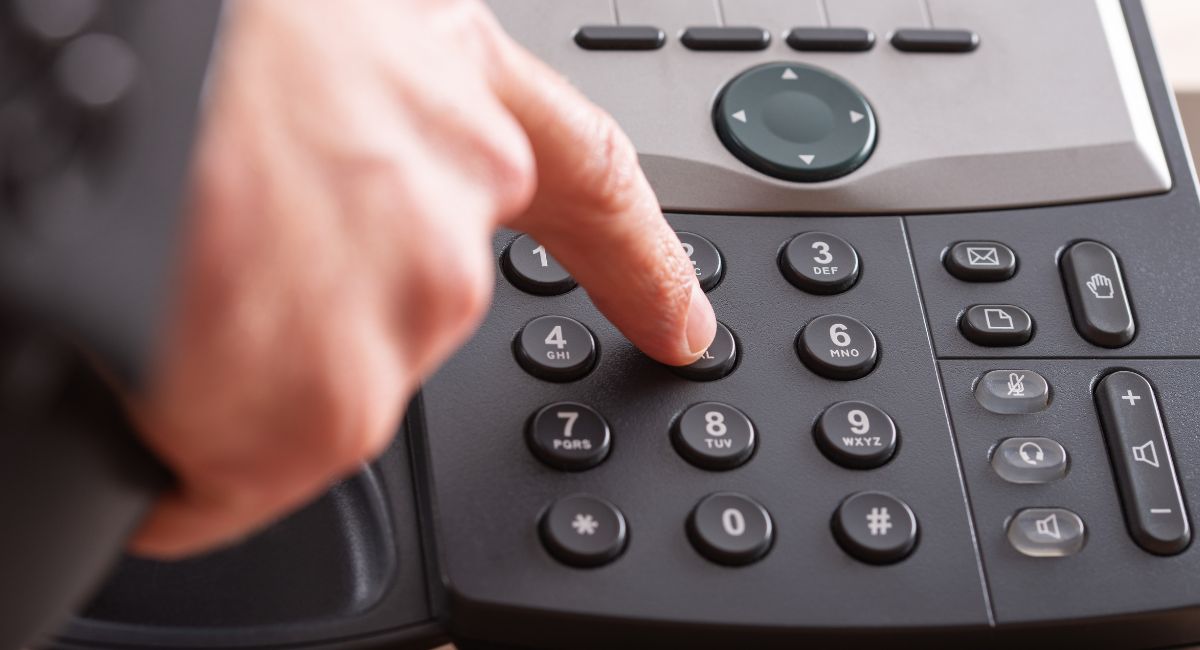
Traditional phone lines. Any business still running analog desk phones through traditional copper landlines is directly in the crosshairs. If your phone service hasn’t already been migrated to a VoIP or cloud-based system, now is the time to do so.
Fax machines. Fax lines are among the most commonly overlooked casualties of copper network retirements. Many Connecticut businesses in healthcare, legal, and financial services still rely on fax for compliance reasons — and those lines need to be migrated to digital fax alternatives before they go dark.
Alarm and security systems. This is the one that surprises businesses most. Older security alarm systems frequently communicate over phone lines or 3G cellular networks. When those networks retire, the alarm panel can no longer reach the monitoring center — meaning your building appears protected when it isn’t. According to the Security Industry Association, millions of alarm communicators nationwide are affected by these network transitions.³
Elevator phones. Building owners and property managers often overlook elevator emergency phones, which are legally required to connect to a live operator. Many of these run on copper landlines and need to be updated to IP or 4G LTE-based solutions.
Point-of-sale systems. Older POS terminals that communicate over landlines or 3G connections for payment processing are also vulnerable. A failed payment terminal during peak business hours is not a theoretical problem — it’s a real and immediate revenue impact.
Medical alert and monitoring devices. Healthcare providers and businesses with medical monitoring equipment connected via landlines or older cellular networks need to assess each device’s compatibility with current infrastructure.
Why Connecticut Businesses Need to Act Now
The challenge with network retirements is that they don’t come with a dramatic announcement. Carriers file with regulators, issue notices that get buried in billing statements, and then stop providing service in a given area on a given date.
By the time a business realizes their alarm isn’t communicating or their fax line has gone dead, the underlying infrastructure is already gone. Getting service restored at that point typically means an emergency replacement — which costs significantly more and takes longer than a planned migration.
Connecticut businesses also face a specific challenge: the state has a high density of older commercial buildings, particularly in Hartford County, that still rely on copper infrastructure installed decades ago. The older the building, the more likely legacy systems are woven into the infrastructure in ways that aren’t immediately obvious.
The businesses that come to us in a panic are almost always the ones who assumed someone would warn them clearly before anything changed. The businesses that come to us proactively are the ones who budget appropriately, migrate on their own timeline, and don’t experience any disruption to their operations.
What a Modern Replacement Looks Like
The good news is that modern alternatives to every piece of legacy equipment exist — and in most cases, they perform better, cost less over time, and offer capabilities your old equipment never had.
For phone lines: A VoIP or cloud-based phone system replaces traditional copper landlines entirely, runs over your existing internet connection, and offers features like mobile apps, voicemail-to-email, and auto-attendants that legacy systems can’t match.
For fax: Digital fax services allow you to send and receive faxes via email or a web portal, eliminating the need for a dedicated fax line while maintaining full compliance with industry requirements.
For alarm systems: Modern alarm panels communicate over IP or 4G LTE cellular networks — both of which are current, supported technologies with long operational horizons. A qualified security integrator can assess your existing panel and determine whether a communicator upgrade or full panel replacement is needed.
For elevator phones: IP-based and 4G LTE elevator phone solutions are direct replacements for copper-based emergency phones and meet all current code requirements.
For internet-dependent equipment: A reliable business internet connection with appropriate redundancy ensures that IP-based replacements for your legacy equipment have the connectivity they need to function reliably.
The First Step Is Knowing What You Have
The most common reason Connecticut businesses get caught off guard by network retirements is that no one has ever taken a complete inventory of which equipment depends on which type of connection. Phone lines, fax lines, alarm communicators, elevator phones, and legacy data circuits are often set up and forgotten — until they stop working.
A professional technology assessment walks through every piece of connected equipment in your facility, identifies what’s at risk, and gives you a clear picture of what needs to be migrated and the timeline for migration. It’s a low-stakes way to find out exactly where you stand before a carrier retirement forces the issue.
Teleworks serves businesses throughout Connecticut — from Glastonbury to Hartford, West Hartford, Farmington, Manchester, Newington, and beyond. If you’re not sure whether your business is exposed to legacy network retirements, we’re happy to take a look.
👉 Contact Teleworks today to schedule a technology assessment and find out what needs to be updated before service is interrupted.
Frequently Asked Questions
How do I know if my alarm system is affected?
Contact your alarm monitoring company and ask what type of communicator your panel uses — landline, 3G, 4G LTE, or IP. If the answer is “landline” or “3G,” your system needs to be updated. Many monitoring companies are proactively reaching out to customers about this, but not all are.
Will my phone number change if I switch to VoIP?
No. Your existing business phone numbers can be ported to a VoIP system. Clients dial the same numbers they always have and the transition is invisible to them.
How long does a migration like this take?
It depends on how many systems need to be updated. A phone system migration for a small office can typically be completed in a single day. A full assessment and migration of multiple legacy systems — phones, fax, alarm, elevator — is a project we scope out in detail before any work begins so you have a clear timeline.
Is there a deadline I need to be aware of?
Carrier retirement timelines vary by location and by type of service. Rather than waiting for a specific deadline, the more important question is whether your equipment is already on infrastructure that is being actively retired — which a site assessment can answer.
Does Teleworks handle alarm and elevator phone migrations?
Teleworks handles phone systems, structured cabling, and business internet — and works closely with qualified partners for alarm and elevator phone updates. We can help coordinate the full scope of a legacy migration, so you have one point of contact rather than managing multiple vendors.
Don’t Wait for the Disruption to Find You
Legacy network retirements aren’t going to slow down — they’re going to accelerate as carriers continue pushing customers toward modern IP-based infrastructure. The businesses that plan migrate smoothly, on budget, and without interruption. The ones that wait deal with emergency replacements, unexpected downtime, and costs that could have been avoided entirely.
Teleworks has helped Connecticut businesses through every major technology transition of the past several decades. This one is no different — except that the timeline is already underway.
👉 Contact Teleworks today to find out where your business stands and what needs to happen before legacy infrastructure retirement affects your operations.
Sources
- AT&T, Copper Retirement and Network Modernization — att.com
- Verizon, Network Modernization and Legacy Service Retirement — verizon.com
- Security Industry Association, Network Sunset Impact on Alarm Systems — securityindustry.org