
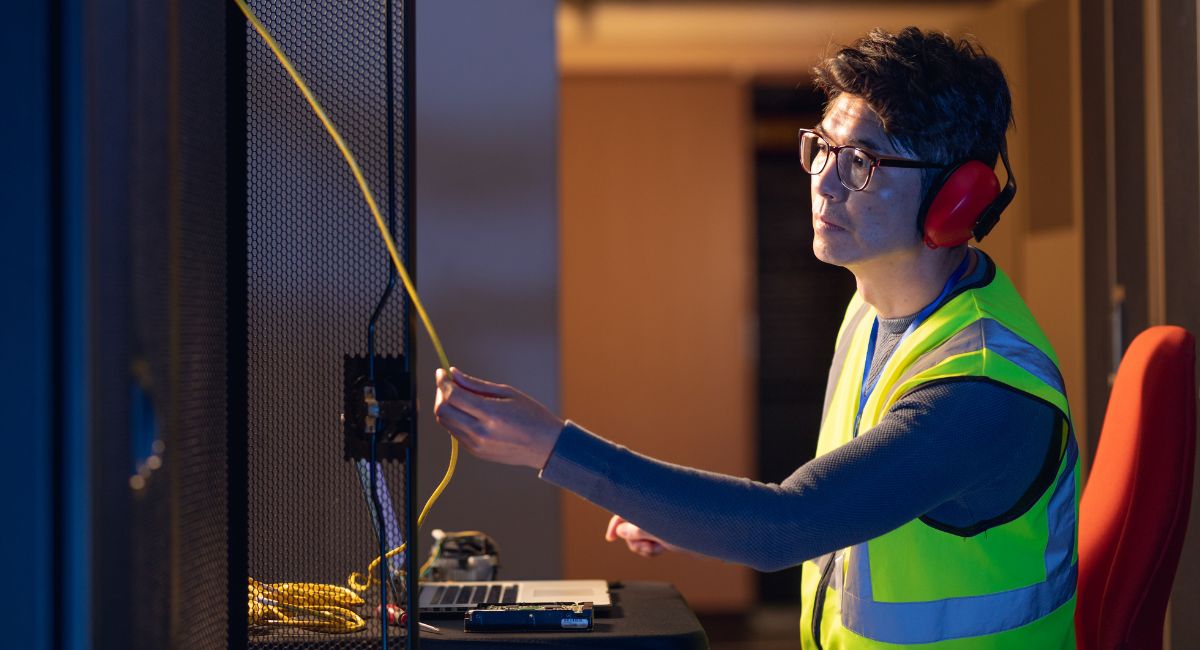
Reliable, high-speed connectivity is essential for modern businesses. From cloud-based applications and video conferencing to VoIP phone systems, security cameras, and data backups, nearly every business function relies on a fast, reliable network. Fiber-optic cabling has become the preferred solution for organizations that require speed, scalability, and long-term reliability.
However, the performance of a fiber network depends heavily on the quality of the installation. Fiber-optic cabling is inherently precise, and even minor installation errors can cause signal loss, outages, and costly troubleshooting. That’s why choosing the right fiber optic installation company is one of the most critical infrastructure decisions a Connecticut business can make.
This guide walks business owners through what to look for when selecting a fiber optic contractor—whether your organization is located in Hartford, Glastonbury, Middletown, Manchester, Rocky Hill, or anywhere else in Connecticut.
Understanding the Role of a Fiber Optic Installation Company
A professional fiber optic installation company does much more than pull cable through walls and ceilings. Fiber requires specialized training, equipment, and strict adherence to industry standards. A qualified contractor is responsible for:
- Fiber optic backbone design
- Single-mode and multi-mode fiber installation
- Fusion splicing and fiber termination
- Fiber distribution panels and enclosures
- MDF and IDF fiber build-outs
- Fiber testing and certification
- Labeling and documentation
- Repair and troubleshooting of existing fiber infrastructure
The goal is to create a fiber network that delivers maximum performance today while supporting future growth and higher bandwidth demands.
Why Choosing the Right Fiber Installer Matters
Fiber-optic cabling is susceptible to poor craftsmanship. Improper bend radius, dirty connectors, incorrect splicing, or low-quality components can all degrade performance. Many problems don’t appear immediately; they surface as usage increases.
Common issues caused by poor fiber installation include:
- Slow or inconsistent network speeds
- Packet loss and intermittent connectivity
- Failed fiber certification tests
- Limited scalability for future upgrades
- Increased downtime and troubleshooting costs
- The need to re-splice or completely re-run the fiber
A professionally installed fiber optic system minimizes these risks and provides a stable foundation for business operations.
How to Choose the Right Fiber Optic Installation Company in Connecticut
Below are the most critical factors to consider when selecting a fiber-optic installation partner.
Look for Fiber-Specific Certifications and Credentials
Fiber installation is a specialized discipline. Reputable companies invest in training and manufacturer certifications, such as:
- Manufacturer certifications (e.g., Corning Network of Preferred Installers)
- Certified fiber optic technicians
- Fusion splicing certifications
- OSHA safety credentials
Certified installers adhere to strict installation standards and often offer access to extended manufacturer warranties for fiber components.
Evaluate Their Experience With Similar Fiber Projects
Not all fiber projects are the same. A small office backbone differs significantly from a multi-floor commercial building, warehouse, or campus environment.
Ask questions such as:
- “How many fiber installations have you completed?”
- “Do you install both single-mode and multi-mode fiber?”
- “Do you perform fusion splicing in-house?”
- “Have you worked in buildings similar to ours?”
Experience ensures the installer understands pathway planning, distance limitations, redundancy design, and future expansion.
Ask About Their Design and Planning Process
Quality fiber installations begin with planning. A professional contractor should:
- Conduct a site survey
- Identify fiber routes and pathways
- Plan MDF and IDF connectivity
- Design backbone and redundancy strategies
- Account for current and future bandwidth needs
Skipping the design phase often leads to disorganized installations and performance issues down the road.
Confirm Proper Splicing and Termination Methods
Fusion splicing is the industry standard for high-performance fiber networks. Mechanical splicing or improper termination can introduce signal loss.
Your fiber installer should use:
- Fusion splicing equipment
- High-quality fiber panels and enclosures
- Proper strain relief and cable management
- Clean termination practices
Attention to detail during splicing and termination directly impacts network reliability.
Require Comprehensive Fiber Testing and Certification
Fiber installation is not complete without testing. A qualified contractor performs:
- OTDR testing
- Power meter and light source testing
- End-to-end fiber certification
- Detailed test reports
Certified test results confirm that each fiber strand meets performance standards and functions as designed.
Review Workmanship and Cable Management
High-quality fiber installations are clean, organized, and well-documented. Look for:
- Proper bend radius management
- Clearly labeled fiber strands
- Organized patch panels
- Secure cable routing
- Clean MDF and IDF rooms
Professional artistry protects fiber integrity and simplifies future maintenance.
Ensure Complete Documentation Is Provided
Documentation is essential for troubleshooting, upgrades, and IT management. A professional installer provides:
- Fiber route documentation
- Splice and termination records
- Certification and test results
- Patch panel assignments
- Labeling standards
Without documentation, future changes become more expensive and time-consuming.
Compare Pricing—But Focus on Long-Term Value
Fiber optic installation is an investment. While cost matters, the lowest bid often includes:
- Inexperienced labor
- Limited testing
- Lower-quality materials
- Minimal warranty coverage
A properly installed fiber network delivers better performance and lower total cost of ownership over time.
Choose a Local Connecticut Fiber Partner
Local experience matters. Connecticut-based fiber installers understand:
- State and municipal building codes
- Fire-rating and plenum requirements
- Permitting processes
- Local AHJ expectations
Local companies also provide faster support and long-term partnerships.
Why Teleworks CT Is a Trusted Fiber Optic Installation Partner
Teleworks has been serving Connecticut businesses for more than 27 years. As a member of the Corning Network of Preferred Installers, Teleworks follows strict manufacturer standards and delivers fiber installations backed by extended warranties.
Businesses across Hartford County and surrounding areas trust Teleworks for:
- Fiber optic backbone design and installation
- Fusion splicing and termination
- Fiber testing and certification
- MDF and IDF build-outs
- Structured cabling and hybrid networks
- Network documentation and labeling
- Ongoing support and future expansion
Clients choose Teleworks for reliable performance, clean installations, transparent communication, and deep local expertise.
FAQs About Fiber Optic Installation
How long does fiber optic installation take?
Timelines depend on building size and complexity. Small installations may take a few days, while large commercial projects can take several weeks.
Should my business use single-mode or multi-mode fiber?
Multi-mode fiber is standard for shorter in-building runs, while single-mode fiber is ideal for long distances and high-bandwidth backbone connections.
Is fiber more expensive than copper cabling?
Fiber may have a higher upfront cost, but it offers greater bandwidth, longer lifespan, and lower upgrade costs over time.
Do I need fiber if I already have Cat6 cabling?
Many businesses use a hybrid approach—fiber for backbone connections and copper for end devices. Fiber becomes essential as bandwidth demands increase.
What makes Teleworks CT different?
Teleworks combines decades of experience, Corning-certified technicians, advanced splicing technology, and meticulous artistry to deliver fiber optic installations built for long-term reliability.